
The Stories We Wish We'd Recorded
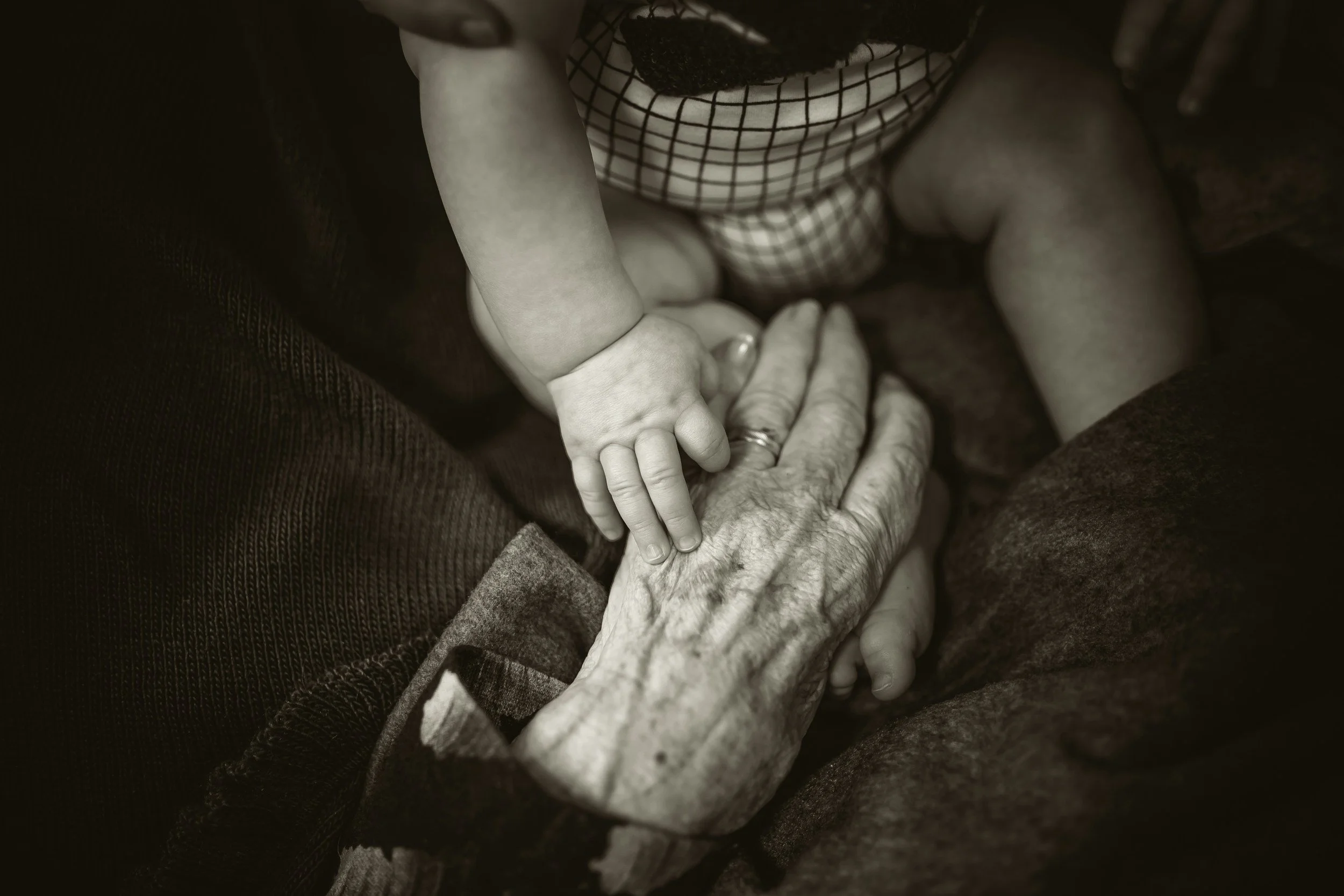
Don't Wait to Ask the Questions
Have you ever wished that you’d asked a grandparent more questions? Or heard a family story and thought, “I should write that down.”? Everyone has stories that disappear when they’re not preserved. We often assume there will be more time to ask questions. Sadly, that’s not always the case.
Why Family Stories Matter
Stories have a purpose. They connect generations and preserve family history beyond just the names and dates that we find on family trees or gravestones. Stories capture values, humour, personality, lessons and experiences that we can glean and learn from. Future generations usually treasure stories more than facts, because it brings that person, that time period, that experience to life. Your children may not care what year Grandpa bought his first car, but they’ll love hearing how he got stranded in a snowstorm driving it home and how he had to be rescued.
Don't Wait for the Perfect Time
Many people plan to record family stories someday, but life changes quickly and we don’t always get the opportunity because they disappear unexpectedly either from memories fading or the passing of the people who were there.
Start With a Conversation
You don't need a perfect plan to start preserving stories. One recorded conversation today is worth more than a project that never begins. Keep it practical - you don’t need a professional recording set up, a list of prepared deep questions, or a formal interview. Just have a conversation and be curious. Follow interesting threads and ask questions to dive deeper. If you don’t know how to start, you can try simple questions like:
What was your childhood like?
What challenge shaped you the most?
What do you wish people understood about your generation?
What are some of your favourite memories?
What lessons have stayed with you throughout your life?
Let Old Photos Tell the Story
You can even just sit and ask them to go through old photos together. So many fond memories and stories are wrapped into the still images when they are held in someone’s hands.

How to Record a Family Story
If you are wondering how to record this conversation, you can try using your phone or computer to create audio or video recordings, take some written notes, or even use a program like Zoom to create a transcript or video file. The method matters less than preserving their story.
Pay attention to the person you are interviewing. Watch their face for the expressions they use, the way they tell a story and how they describe people and places. Do they have repeated phrases or favourite sayings? Are they serious or do they use humour?
The goal isn’t just preserving the things that happened, but also who they are.
One Story Is Enough to Begin
You don’t have to write a full biography. You don’t even need to finish a book. Just start with one conversation, one story, or one memory so you can keep it alive. That’s where a legacy project begins.
Ready to Preserve Their Story?
If you've been thinking about capturing a parent's, grandparent's, or loved one's story, I'd love to help you get started. Book a free consultation here.
Your writing coach,
Jenny Mouse.
Additional Q&A
Question: How can I preserve my family's stories?
Answer:
You can preserve family stories by recording conversations with parents, grandparents, and other loved ones. Use your phone or computer to make an audio or video recording, take written notes, or create a transcript. You don't need a formal interview or professional equipment. Start with a conversation and ask questions about their childhood, memories, experiences, challenges, and lessons they've learned.
Question: What questions should I ask my grandparents about their lives?
Answer:
Good questions to ask grandparents include:
What was your childhood like?
What are some of your favourite memories?
What challenge shaped you the most?
What do you wish people understood about your generation?
What lessons have stayed with you throughout your life?
You can also look through old photographs together and ask about the people, places, and memories connected to them.
Question: What is the best way to record family history?
Answer:
The best way to record family history is to use a method that is easy enough to actually do. A phone, computer, written notes, or video call can all work. The important thing is preserving the person's stories, personality, humour, expressions, and memories—not creating a technically perfect recording.
Question: Why is it important to preserve family stories?
Answer:
Family stories preserve more than names and dates. They capture personality, values, humour, experiences, challenges, and lessons that help future generations understand the people who came before them. A story can bring a person or period of family history to life in a way that a family tree alone cannot.
Question: How do I start recording my family's history?
Answer:
Start with one person and one conversation. You don't need to write a biography or plan an entire family-history project. Ask a few simple questions, follow interesting stories, look through old photographs together, and record the conversation using your phone or another convenient device.