
Is Amazon Publishing a Scam? A practical guide to self publishing and hybrid publishing.
Why Publishing Scams Are So Common
After years and years of writing your book, you have finally written "The End." You are excited and terrified to share your baby with the world. You start searching for publishing companies and sending out your manuscript. It can be so easy to jump on the first "opportunity" without giving it much thought.
You receive an email from a major publishing house, and you are so excited! All of the hours you sacrificed to bang away on your keyboard are finally validated. Your book is going to be a wild success.
But what you don't know is that major publishing companies rarely email authors. They rarely accept manuscripts submitted without an agent. And scammers know that you are unaware of how publishing actually works. So that major publishing company is not a publishing company at all. It is a scammer who has fabricated a creative lie with the help of generative AI to make it sound extremely convincing.
Fortunately there are reputable companies that you can publish with. Self-publishing is a viable and relatively easy process that you can leverage. Or if you seek that validation and like the idea of working with a publishing house, there are reputable hybrid publishers that you can connect with.
Not every publishing service is a scam, but every author needs to know how to evaluate what they are buying.
Part 1: Understand Your Publishing Options First
Traditional Publishing
Traditional publishing means publishing with a publisher who covers all production expenses, including editing, cover design, and printing. Traditional publishers typically pay their authors an advance. Once the book has made back the advance payment, the author begins to receive royalties from each sale (a percentage of the sale).
If you want to publish traditionally, the best place to start is by connecting with a literary agent. Agents help writers connect with publishing houses, help you put together your pitch, negotiate contracts, and handle rights to film and television. They are your best friend in publishing, but some authors complain that agents are as elusive as traditional publishing opportunities, so be patient in your search.
Red Flag: If your "traditional publisher" asks you for money, something is wrong.
Self-Publishing
Self-publishing means that you have published your book without the help of a publisher. You retain all rights to your book, you keep all profits, and you also foot the bill for editing, formatting, cover design, and printing (See our review of Alibaba printing).
Self-publishing has become a preferred method for many writers today. It is quicker, it is more likely to turn into a sustainable business, and it allows the author more control over what they publish. But the quality of self-published books can vary greatly, which means that some organizations and individuals have become wary of purchasing self published books.
See how to build your self-publishing team!
Print on Demand Platforms
Availability of print-on-demand (POD) platforms have made self-publishing very accessible. Instead of having to pay thousands of dollars up front on printing fees, POD platforms print to order. It is a very hands-off and affordable way to get started with publishing. The most common platforms are:
Amazon KDP
When someone says they are "published with Amazon" this is what they mean. KDP is connected directly to Amazon, it is free to use, and once you press "published" your book becomes available worldwide within 72 hours. It is pretty incredible!
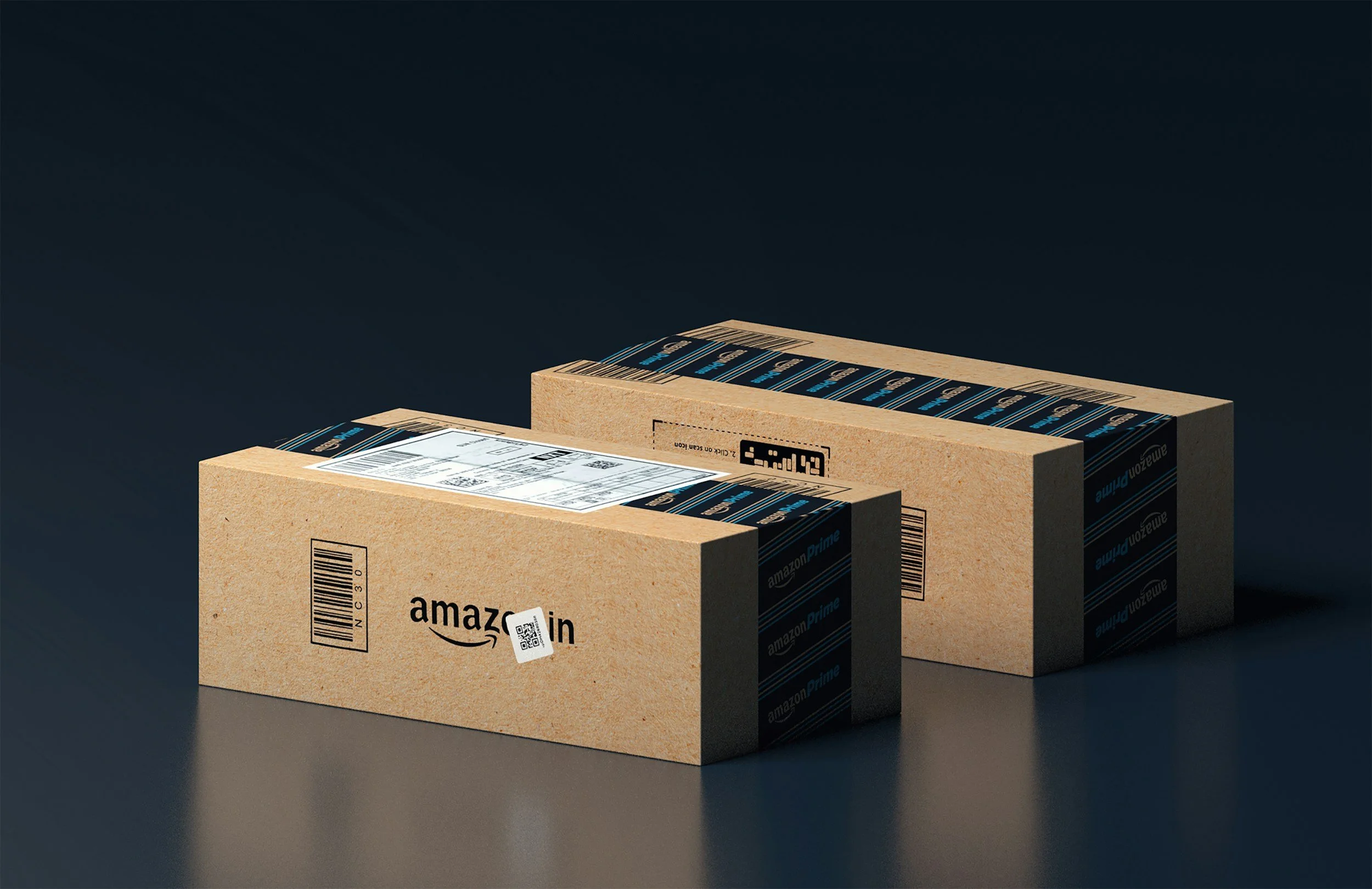
Note: beware the copycats. "Amazon Publishing Services," "Amazon Book Publishers," and "Amazon Author Hub" are not associated with Amazon, despite the names, and are highly suspected of being scams.
Dozens of companies have incorporated the name "Amazon" into their publishing company name. At best they are trying to trick people into buying their services by making them think they are associated with Amazon. At worst they are scamming people.
Ingram Spark
Similar to KDP, IngramSpark is a POD company that allows authors to publish online. They used to charge a small fee for this service, but I believe it has been removed in recent years. They are a distributor, so if you publish with IngramSpark, your book will be listed on online stores like Amazon, and Walmart. Physical stores have the option to purchase copies to stock on their shelves.
Hybrid Publishing
Hybrid publishers lie in the middle between self-publishing and traditional publishing. They can cover a large range of services from ghostwriting to marketing. Hybrid publishers sometimes cover a percentage of expenses, but the author is expected to contribute to the cost. Hybrid publishers can be a great option for people who don't want to "go it alone" by self publishing, but want to produce their book faster than they would with a traditional publisher.
The challenge is that it can be hard for new authors to tell between a legitimate hybrid publishing company and a scam. It can be even harder to tell between a good hybrid publishing company that has their authors' best interests at heart, and a company that is less reputable.
A legitimate hybrid publisher:
Charges fees
Provides real publishing services (editing, formatting, printing, marketing)
Is transparent about costs
Has proven distribution and production capabilities
A bad hybrid publisher:
Makes unrealistic promises
Provides low-quality services
Uses aggressive sales tactics
Hides contract terms
You want your hybrid publisher to be a good business partner.
Part 2: Common Publishing Scams Every Author Should Know
The “You've Been Selected" Scam
Warning signs:
Generic praise or AI-generated praise
Immediate acceptance
No real editorial evaluation
A fee is requested
Example language:
"Your manuscript has exceptional commercial potential."
Keep in mind that AI generated praise can be very specific. If a response seems too well researched or too specific, that is also a red flag.
The Bestseller Promise
Red flags:
Guaranteed bestseller status
Guaranteed media coverage
Guaranteed book sales
Reality:
Beware of over-promising. No legitimate company can guarantee sales.
The Expensive Marketing Package
Explain how authors may be offered:
Press releases
Book fair displays
Social media packages
TV and radio exposure
Questions to ask:
What exactly will be delivered?
What measurable results have previous clients achieved?
Can you show examples?
Vanity Publishing Disguised as Hybrid Publishing
Characteristics:
High fees
Minimal services
Little quality control
Revenue comes from authors, not readers
Key question:
Would this company still be in business if authors stopped paying them tomorrow?
Part 3: How to Evaluate a Hybrid Publisher
Examine the Package Carefully
Create a checklist.
Editing
Ask:
What type of editing is included?
Developmental?
Line editing?
Copy editing?
Proofreading?
Many packages advertise "editing" when they only provide proofreading.
Cover Design
Ask:
Custom design or template?
How many revisions?
Who owns the final files?
Interior Formatting
Ask:
Print and ebook formats?
Accessibility standards?
Who fixes errors after publication?
Distribution
Important distinction:
Distribution does not equal bookstore placement.
Ask:
Will the book be available to retailers?
Or will the company actively sell it into stores?
Many authors misunderstand this point.
Marketing
Look for specifics.
Good:
Newsletter feature
Advertising setup
Metadata optimization
Concerning:
Vague promises about exposure
"Industry connections"
"Potential media opportunities"
Part 4: Read the Contract Like a Business Owner
Rights
Determine:
What rights are you licensing?
For how long?
In which territories?
Termination Clause
Ask:
Can you leave?
How can you leave?
What happens to your files and rights?
A contract should clearly explain exit procedures.
Royalty Structure
Look for:
Royalty percentages
Calculation method
Payment schedule
If royalty calculations are difficult to understand, ask for clarification.
Ownership of Files
Determine who owns:
Cover design
Interior files
ISBN
Metadata
The answer should be clearly stated.
Part 5: How to Verify Testimonials and Success Stories
Don't Stop at the Website
Every company can create attractive testimonials.
Go deeper.
Contact Authors Directly
If possible:
Visit the author's website
Use social media
Send a polite message
Ask:
What services did you buy?
Were you satisfied?
Would you do it again?
Verify the Books Exist
Check:
Amazon listing
Bookstores
Reader reviews
Questions:
Does the book look professionally produced?
Is there evidence of actual readership?
Look for Patterns
One happy author means little.
Ten authors saying similar positive things is more meaningful.
Likewise:
One complaint isn't necessarily a warning.
Repeated complaints are.
Search Beyond Testimonials
Look for:
Independent reviews
Author forums
Writer communities
Professional organizations
Pay attention to recurring themes.
Part 6: A 10-Minute Publishing Scam Check
Before Paying Any Publisher or Service Provider
Can I clearly explain what I'm buying?
Are deliverables listed in writing?
Have I reviewed the contract?
Have I verified real author experiences?
Are sales promises realistic?
Do I retain appropriate rights?
Is pricing transparent?
Can I leave the agreement?
Do I know who owns the files?
Would I still buy this package if no sales were promised?
Base Your Decision on the Evidence
I know how excited you are to hold your book in your hands after all of the work you've put into it, but don't rush the publishing process. Take the time to go over companies and opportunities in depth. If your gut says no, listen to it. And if you are still confused, reach out to me. I am a writing coach and offer support with planning, writing, and refining your book, and I'd be happy to set up a call!
Disclosure: AI was used to outline this post and to research common scams and how to avoid them.